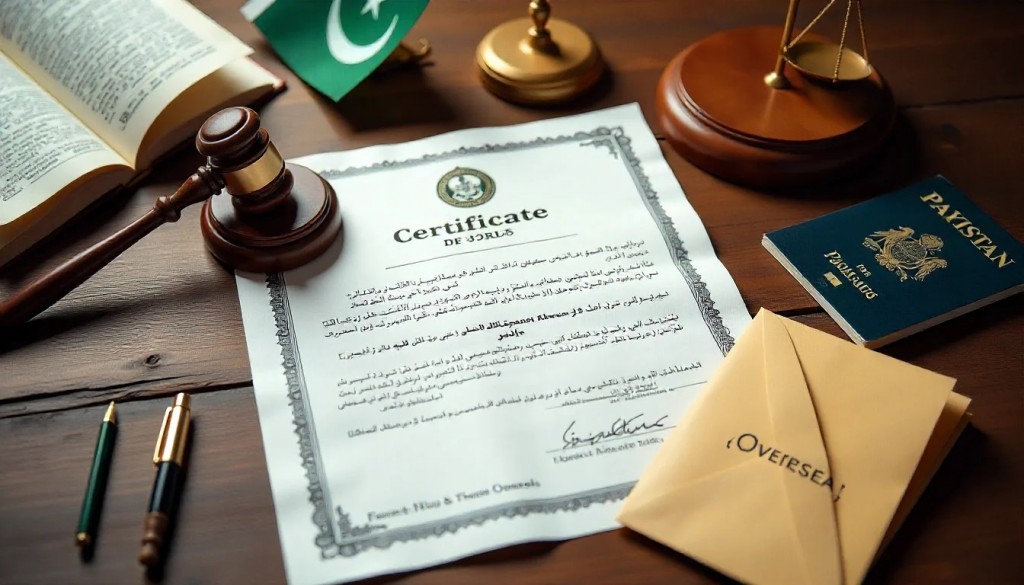
In Pakistan’s legal system, documentation plays a central role in ensuring justice, compliance, and due process. Whether you are involved in litigation, submitting evidence, filing an appeal, or dealing with international legal matters, the accuracy and authenticity of documents are critical. When these documents are in a foreign language—or even in Urdu for international use—they often require
certified translation.
Certified translation for court documents in Pakistan is a specialized service that ensures legal texts are translated accurately, formally verified, and accepted by courts, embassies, and legal authorities. Without proper certification, translated documents may be rejected, delayed, or deemed invalid.
This comprehensive guide covers everything you need to know about certified translation for court documents in Pakistan, including its importance, requirements, process, costs, and how to choose the right service provider.
What Is Certified Translation for Court Documents?
Certified translation refers to a translated document that includes a formal declaration by the translator or translation company stating that the translation is complete and accurate.
This certification typically includes:
- Translator’s statement of accuracy
- Signature and stamp
- Date of translation
- Contact details of the translator or agency
Such translations are legally recognized and can be used in:
- Courts
- Government institutions
- Embassies
- Legal proceedings
In Pakistan,
certified legal translations are widely required for court submissions, especially when dealing with multilingual or international cases.
Why Certified Translation Is Essential for Court Documents
- Legal Validity in Court Proceedings
Courts require documents to be submitted in a language they understand—often English. If a document is in Urdu or another language, it must be translated and certified to be accepted.
Certified translations ensure that:
- The document retains its legal meaning
- It can be used as evidence
- It meets procedural requirements
Without certification, courts may reject the document outright.
- Accuracy in Legal Terminology
Legal language is complex and precise. A minor mistranslation can:
- Change the meaning of a clause
- Impact case outcomes
- Create legal disputes
Certified translators ensure that legal terminology is translated accurately and consistently.
- Compliance with Legal and International Standards
Certified translations are often required for:
- Cross-border litigation
- Foreign court submissions
- International arbitration
- Immigration-related legal cases
Different jurisdictions have different requirements, but certification ensures broader acceptance.
- Avoiding Delays and Rejections
Incorrect or uncertified translations can result in:
- Court delays
- Refiling of documents
- Additional legal costs
Using
certified translation services ensures smooth legal proceedings.
Types of Court Documents That Require Certified Translation
In Pakistan, a wide range of court-related documents require certified translation:
- Civil Court Documents Translation
- Petitions
- Affidavits
- Written statements
- Court orders
- Criminal Case Documents Translation
- FIR (First Information Report)
- Witness statements
- Charge sheets
- Judgments
- Family Court Documents Translation
- Divorce papers
- Custody agreements
- Marriage certificates (Nikah Nama)
- Corporate and Commercial Legal Documents Translation
- Contracts and agreements
- Partnership deeds
- Power of Attorney
- Property and Land Documents Translation
- Sale deeds
- Registry papers
- Ownership records
- Court rulings related to property
- Evidence and Supporting Documents Translation
- Emails and correspondence
- Financial records
- Medical reports
Translation providers in Pakistan commonly handle all these document types with certification for legal use.
Languages Commonly Used in Court Translation in Pakistan
Pakistan is a multilingual country, and court translation often involves multiple language pairs:
- Urdu ↔ English
- Punjabi, Sindhi, Pashto, Balochi → English
- Arabic ↔ English
- Chinese ↔ English
- French, German, Spanish ↔ English
Urdu-to-English translation is the most common, especially for legal and court documents intended for international use.
Certified vs. Notarized vs. Attested Translation
Understanding the differences is crucial:
Certified Translation
- Includes a declaration of accuracy
- Signed by the translator or agency
- Commonly required for courts
Notarized Translation
- Certified translation verified by a notary public
- Adds an extra layer of authentication
Attested Translation
- Verified by government authorities (e.g., Ministry of Foreign Affairs)
- Often required for international legal use
In many cases, courts in Pakistan accept
certified translations, but additional notarization or attestation may be required depending on the case.
Requirements for Certified Court Translation in Pakistan
To ensure acceptance, certified translations must meet certain requirements:
- Complete and Accurate Translation
Every word, including stamps, seals, and handwritten notes, must be translated.
- Proper Formatting
The translated document should reflect:
- Original layout
- Names and dates
- Official stamps and seals
Maintaining formatting is crucial for legal clarity. ()
- Certification Statement
The document must include a statement confirming:
- Accuracy
- Completeness
- Translator’s credentials
- Consistency in Names and Terminology
Names must match official documents such as:
- CNIC
- Passport
- Legal records
Inconsistencies can lead to rejection.
- Supporting Documents (If Required)
Some cases may require:
- Original document copy
- Notarization
- Attestation
The Process of Certified Translation for Court Documents
Step 1: Document Submission
Clients provide documents via:
- Email
- WhatsApp
- Physical copies
Clear scans are essential for accurate translation.
Step 2: Requirement Analysis
The translation provider determines:
- Target language
- Certification requirements
- Deadline
Step 3: Translation by Legal Experts
Professional translators with legal expertise handle the document.
Step 4: Quality Check and Proofreading
Documents undergo:
- Legal review
- Terminology checks
- Formatting verification
Step 5: Certification
A certification statement is added, along with:
Step 6: Delivery
Documents are delivered:
- Digitally (PDF)
- Hard copy (if required)
Many providers in Pakistan offer both options.
Cost of Certified Translation for Court Documents in Pakistan
The cost depends on several factors:
- Document Length
Longer documents cost more.
- Language Pair
Rare languages may be more expensive.
- Complexity
Legal and technical documents require specialized expertise.
- Urgency
Urgent or same-day services may cost extra.
- Additional Services
- Notarization
- Attestation
- Hard copy delivery
Generally, simple documents can be translated quickly, while complex legal files may take several days.
Challenges in Legal and Court Translation
- Complex Legal Terminology
Legal terms often have no direct equivalents in other languages.
- Differences in Legal Systems
Translation must reflect the legal context accurately.
- Maintaining Confidentiality
Court documents often contain sensitive information.
- Tight Deadlines
Legal cases often require urgent translation.
Importance of Confidentiality in Court Translation
Legal documents may include:
- Personal information
- Financial data
- Case details
Professional translation services ensure:
- Secure handling
- Non-disclosure agreements
- Data protection
Confidentiality is a key factor when choosing a translation provider.
Role of Technology in Certified Legal Translation
Modern translation services use:
- CAT tools (Computer-Assisted Translation)
- Translation memory
- Terminology databases
However, human expertise remains essential for legal accuracy.
How to Choose the Best Certified Translation Service in Pakistan
- Legal Expertise
Choose translators with experience in legal and court documents.
- Certification Acceptance
Ensure the service provides translations accepted by courts and authorities.
- Language Coverage
Select providers offering multiple languages.
- Quality Assurance
Look for proofreading and review processes.
- Confidentiality Measures
Ensure secure handling of documents.
- Turnaround Time
Choose services that meet your deadlines.
Common Mistakes to Avoid
- Using non-certified translators
- Ignoring formatting and layout
- Inconsistent spelling of names
- Submitting incomplete documents
- Relying on machine translation
These mistakes can lead to rejection or delays in court proceedings.
Certified Translation for International Legal Use
Court documents from Pakistan are often used internationally for:
- Immigration cases
- Foreign court submissions
- Business disputes
Certified translations ensure documents are accepted abroad, especially when combined with notarization or attestation.
Why Professional Certified Translation Matters
Professional certified translation services provide:
- Accuracy
- Legal compliance
- Reliability
- Peace of mind
They reduce risks and ensure that your legal documents are properly understood and accepted.
Future of Certified Legal Translation in Pakistan
With increasing globalization, the demand for certified translation is growing rapidly. More Pakistanis are:
- Working abroad
- Studying internationally
- Engaging in cross-border legal matters
This makes certified translation an essential service in the legal ecosystem.
Certified translation for court documents in Pakistan is not just a procedural requirement—it is a critical component of the legal process. From ensuring accuracy and compliance to facilitating international legal matters, certified translations play a vital role in modern law.
Whether you are dealing with local courts or international legal systems, investing in professional certified translation services ensures your documents are accurate, accepted, and legally valid.
If you are preparing court documents for submission, always choose a reliable certified translation provider to avoid delays, rejections, and legal complications.
By understanding the importance, process, and requirements of certified translation, individuals and legal professionals in Pakistan can navigate court procedures more effectively and confidently.
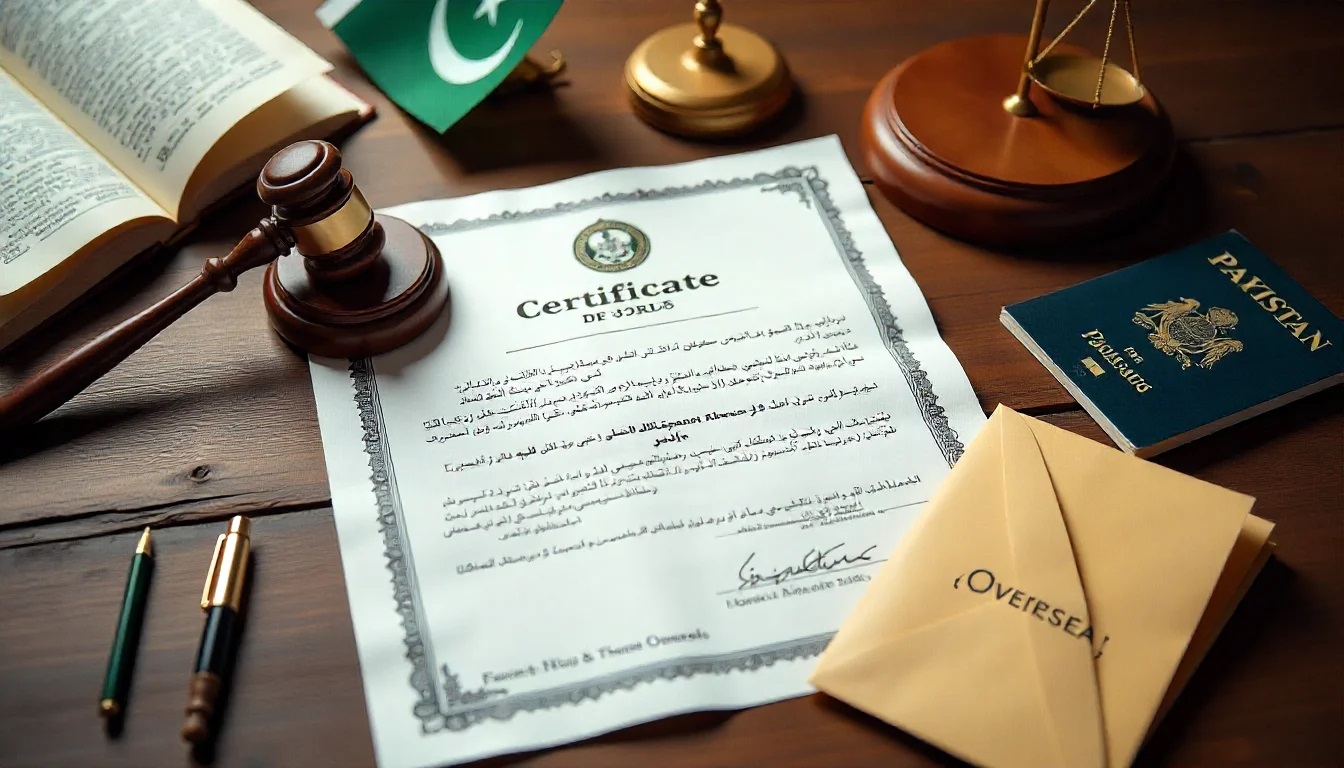 In Pakistan’s legal system, documentation plays a central role in ensuring justice, compliance, and due process. Whether you are involved in litigation, submitting evidence, filing an appeal, or dealing with international legal matters, the accuracy and authenticity of documents are critical. When these documents are in a foreign language—or even in Urdu for international use—they often require certified translation.
Certified translation for court documents in Pakistan is a specialized service that ensures legal texts are translated accurately, formally verified, and accepted by courts, embassies, and legal authorities. Without proper certification, translated documents may be rejected, delayed, or deemed invalid.
This comprehensive guide covers everything you need to know about certified translation for court documents in Pakistan, including its importance, requirements, process, costs, and how to choose the right service provider.
In Pakistan’s legal system, documentation plays a central role in ensuring justice, compliance, and due process. Whether you are involved in litigation, submitting evidence, filing an appeal, or dealing with international legal matters, the accuracy and authenticity of documents are critical. When these documents are in a foreign language—or even in Urdu for international use—they often require certified translation.
Certified translation for court documents in Pakistan is a specialized service that ensures legal texts are translated accurately, formally verified, and accepted by courts, embassies, and legal authorities. Without proper certification, translated documents may be rejected, delayed, or deemed invalid.
This comprehensive guide covers everything you need to know about certified translation for court documents in Pakistan, including its importance, requirements, process, costs, and how to choose the right service provider.